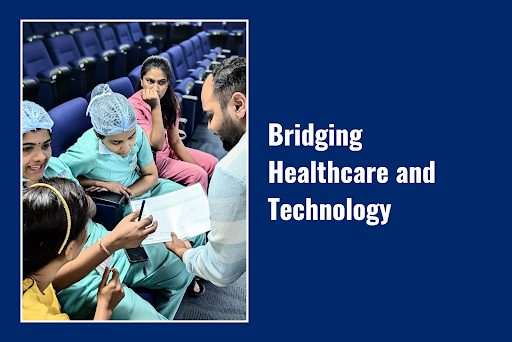

In my six months at CareMother by Doto Health as an Application Engineer, I've realized that creating medical devices is not just about pushing technological boundaries—it's about bridging the gap between healthcare needs and technical solutions. The real challenge lies in understanding the daily realities of healthcare professionals—doctors, nurses, and health workers—and developing solutions that simplify their work while improving patient outcomes. This experience has shown me that technology succeeds when it integrates seamlessly into the existing healthcare ecosystem and effectively solves real-world problems.
The Product Team's ApproachAt Doto Health, our product team is driven by first-principles thinking. This means we focus on understanding the fundamental aspects of any problem before arriving at a solution. A significant part of our work involves deep domain understanding, which we cultivate through research and regular interactions with clinicians. Around 50% of our time is dedicated to learning and engaging directly with healthcare providers to better understand the on-ground realities. We also continuously explore new problem areas that contribute to the systemic challenges in healthcare.
Understanding the Healthcare Ecosystem: More Than Just DevicesThe healthcare ecosystem is a dynamic, multifaceted landscape where each stakeholder plays a vital role. As much as technology can drive progress, its value is only realized when it aligns with the needs of those using it. From clinicians managing complex patient care to nurses handling routine yet critical tasks, each individual has unique workflows and pain points. In my role, I’ve been focusing on identifying these challenges and understanding how they interact with the medical devices we develop. For instance, in my work with Fetomax, a non-invasive fetal monitoring system, I’ve spent considerable time gathering feedback from healthcare professionals—whether during training sessions or while offering technical support. This feedback provides valuable insight into how the technology fits (or doesn’t) into their daily practices, offering a roadmap for further improvements.
From Fieldwork to Solutions: Engineering with Real-World ContextWhat distinguishes my role from a conventional desk job is the emphasis on fieldwork. The most critical part of my job is engaging directly with the end-users—the healthcare professionals who depend on our devices. This real-world context is essential in identifying usability issues and areas where our devices could be more effective.
For instance, during onsite interactions, I’ve observed how nurses and doctors use Fetomax in clinical settings. It’s clear that while the device has proven to be valuable, there are areas where user interface improvements and streamlining data inputs could enhance usability. These observations form the basis for ongoing discussions with the product and development teams, guiding the technical refinements needed to better align the device with the day-to-day realities of healthcare professionals.
This hands-on experience makes my role as an application engineer so dynamic. It’s about constantly iterating on device design and functionality based on real-time feedback—ensuring that the solutions we develop aren't just theoretical but practically viable in a clinical setting.
Bridging the Gap: Translating Clinical Needs into Technical SolutionsOne of the most crucial aspects of my role is acting as a bridge between clinicians and our technical teams. The gap between clinical expertise and technical knowledge can sometimes seem vast, but that’s where the true potential of health technology lies—by translating the specific needs of clinicians into actionable requirements for engineers.
For example, when clinicians highlight the need for more intuitive data visualization, it’s my job to ensure that these requests are not only heard but translated into solutions that can be realistically implemented. This requires understanding both sides: the clinical workflows that demand quick, reliable data and the technical complexities that must be navigated to deliver such features.
As Albert Einstein wisely said, "If I had an hour to solve a problem, I would spend 55 minutes thinking about the problem and 5 minutes thinking about the solution." This principle guides my approach—ensuring that we take the time to fully understand the challenges before jumping to solutions.
The Real Value of Technology: Solving the Right ProblemsAt the heart of health technology is the need to solve real problems. It’s not about making devices more complex or adding unnecessary features; it’s about making them more effective and accessible. As an application engineer, I focus on refining the technical aspects of our products to ensure they are intuitive and user-friendly, addressing the pain points that clinicians face in fast-paced environments.
As I continue to work on enhancing Fetomax and other devices, I remain committed to ensuring that our solutions align with the actual needs of healthcare providers. The real value of technology lies not in its complexity, but in how well it solves the problems of those who need it most. This philosophy is central to how I approach my role, balancing cutting-edge technology with practical usability.
Conclusion: A Journey Toward Meaningful InnovationThe intersection of healthcare and technology is both challenging and rewarding. My time at Caremother by Doto Health has taught me that the best solutions emerge from a deep understanding of the people and systems they are designed for. This journey—bridging the gap between healthcare professionals and technological innovation—is one we are actively pursuing with Fetomax and other devices.
As we move forward, our focus remains on creating real value for clinicians, patients, and the healthcare system as a whole. By staying engaged in the field and listening to those who rely on our devices, we can ensure that our technology truly enhances the care they provide. This is the journey we are embarking on with Fetomax, and I’m excited to be part of a team committed to making healthcare smarter, more efficient, and more compassionate.